
Alexandra Dubinin
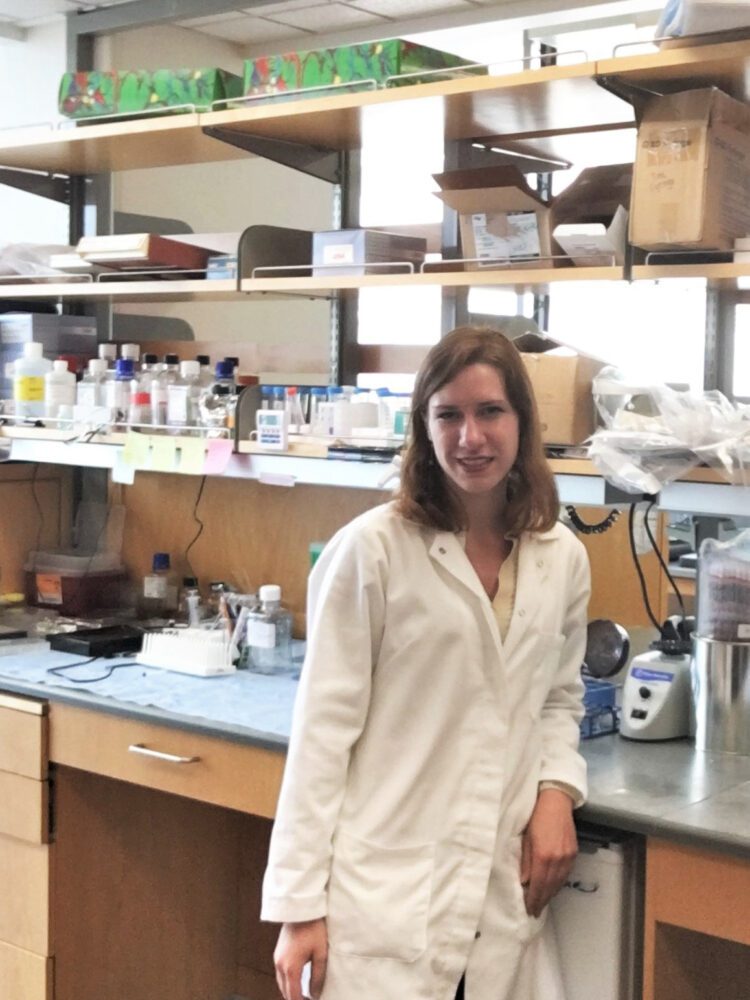
Respiratory infections in infancy are known to increase the risk of developing asthma in later life. One possible explanation is that viral infections during vulnerable periods of development alter immune cell establishment leading to lifelong changes favoring asthma. My research involves tracking the developmental pattern of a particular immune cell, ILC2, with the hope of identifying targets to mitigate viral-induced asthma predisposition. I will use fluorescent microscopy and flow cytometry to define when the critical developmental window occurs and what cells and molecules are involved.
Joseph Oh
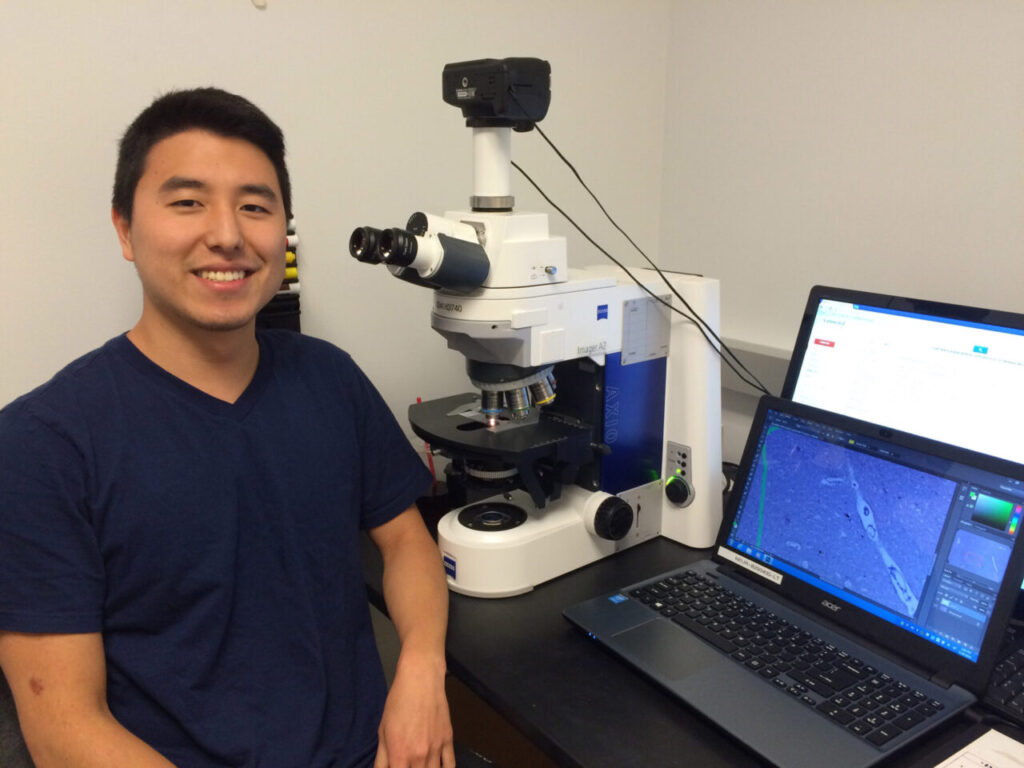
The purpose of my research is to investigate the neurobiological basis of sleep disturbances in humans using neurodegenerative conditions associated with signature patterns of sleep changes as a model. Alzheimers Disease (AD), Corticobasal Degeneration (CBD) and Progressive Supranuclear Palsy (PSP) are the most frequent tauopathies, neurodegenerative conditions associated with accumulation of misfolded tau protein in selective brain areas. Despite coursing with neuronal loss and accumulation of misfolded tau inclusions, these conditions involve different brain areas and cause distinctive clinicopathological features. In all these diseases, patient experience disturbances in sleep/wake pattern […]
Jeni Stiso

One of the most intriguing, yet controversial recent findings in neuroscience is the discovery of the mirror neuron system (MNS). These visuo-motor neurons discharge both when a monkey does a particular goal-directed action and when it observes another individual doing a similar action. The result of this mechanism is thought to be the capacity to recognize that an individual is performing an action, to differentiate this action from others analogous to it, and to use this information in order to act appropriately. This mechanism has been proposed as the basis […]
Winnie Yao

Necroptosis, a regulated form of necrotic (inflammatory) cell death, has been shown to naturally occur in activated T-cells, a type of white blood cell crucial in cell-mediated immunity. Presently, the death domain- containing kinase protein RIP1 is suggested to recruit the key necrotic regulator protein RIP3 to form a necrosome, a protein complex, and induce necroptosis under certain conditions in T cells; however, exactly how these two proteins interact with each other to mediate between the two cell death types, necroptosis and apoptosis, is not well understood. The molecular pathways […]
Ian Ferguson

In the eye, Retinal Pigment Epithelium (RPE) cells are important in maintaining the health of photoreceptor cells. RPE defects can lead to early photoreceptor cell death which is linked to several vision disorders, including Age-Related Macular Degeneration (AMD). The Gong Laboratory has previously linked the protein NHE8, a proton/sodium ion transporter mostly localized to protein secretory pathways, to retinal degeneration that is associated with RPE and photoreceptor cell loss. It is hypothesized that NHE8 mutant proteins lose the ability to exchange protons and sodium ions in intracellular compartments or vesicles, […]
Julia Lipson
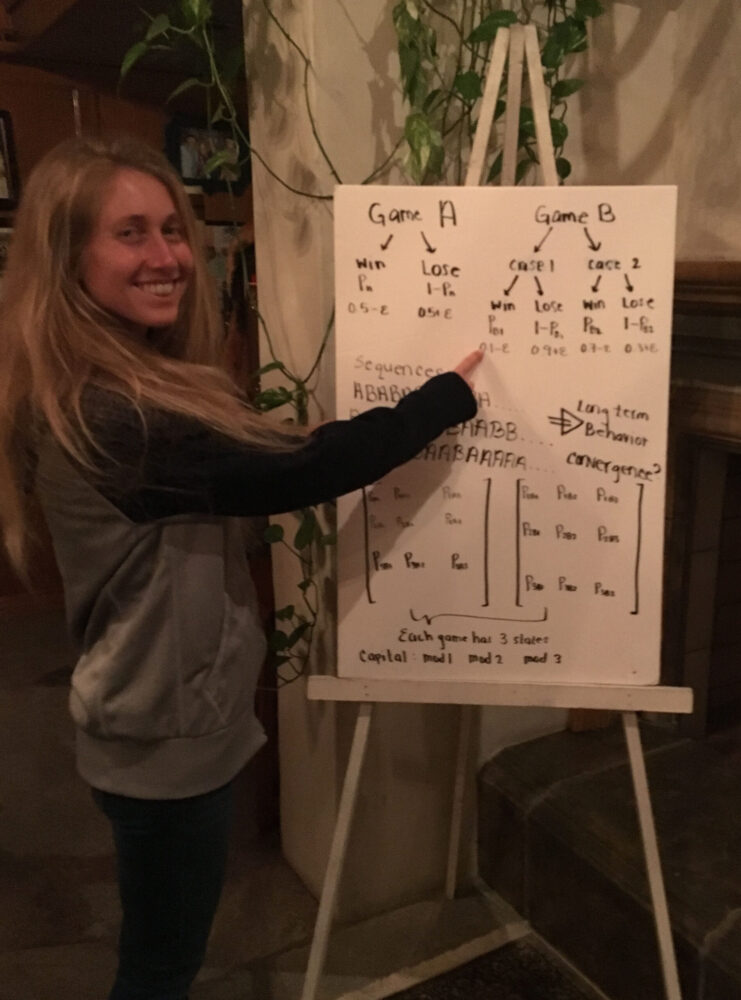
Imagine a person plays two games, Game A and Game B, each with a higher probability of losing than winning, in some sequence. A possible sequence might be Game A, followed by Game B, followed by Game A, etc. Surely, playing any sequence of these two games will result in an overall loss. Against intuition, this turns out not to be the case. In fact, by playing these games in certain sequences, over time a player will experience an overall increase in capital. This phenomenon is called Parrondos Paradox, a […]
Milan Amin
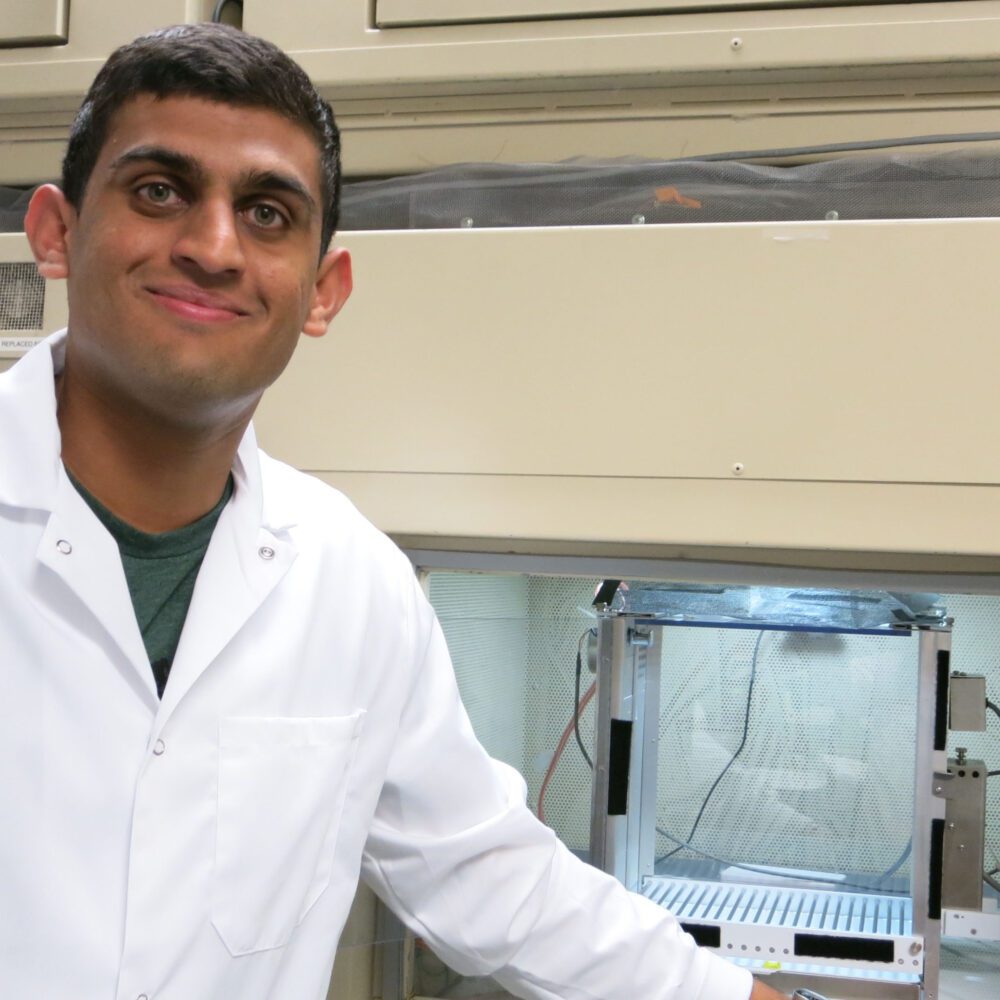
Temporal discrimination of acoustical signals plays a key role in how we perceive sounds. It affects the perception of loudness, timbre and pitch and it determines the rate at which we can parse phonemes in speech. A robust way to assess temporal integration is to determine the flicker-fusion rate: the rate at which a train of clicks is heard as a continuous sound with a low pitch instead of as a series of short sound elements. This rate is approximately 40Hz in humans corresponding to our lower bound of pitch […]
Brian Woo
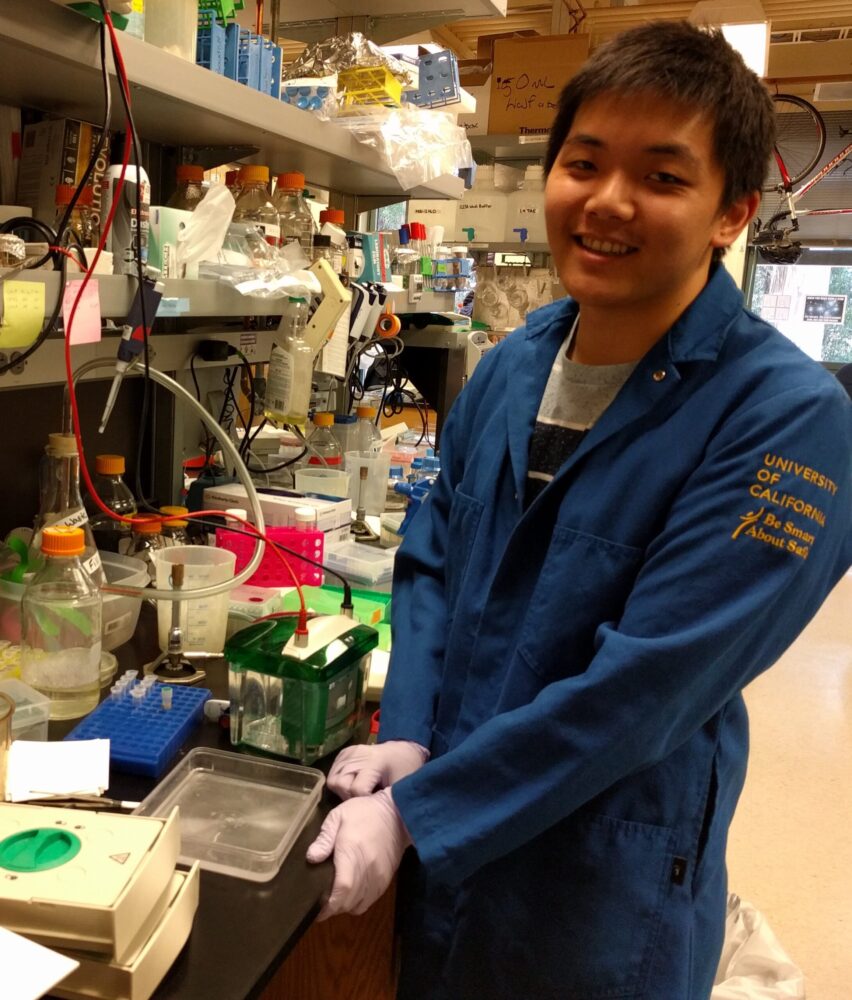
The Toll-like receptor (TLR) family is a key component of the host innate immune response to foreign microbes. In the cell, TLRs localized to endolysosomes (termed intracellular TLRs) recognize microbial nucleic acids, and recognition of these microbial products then invokes an immune response to a myriad of bacterial and viral pathogens. One regulator of intracellular TLR activity that my project aims to characterize is Unc93B1, a chaperone protein that is currently understood to traffic intracellular TLRs to their correct endolysosomal compartments. This summer, my goal is to elucidate the role […]
Ian Tayler
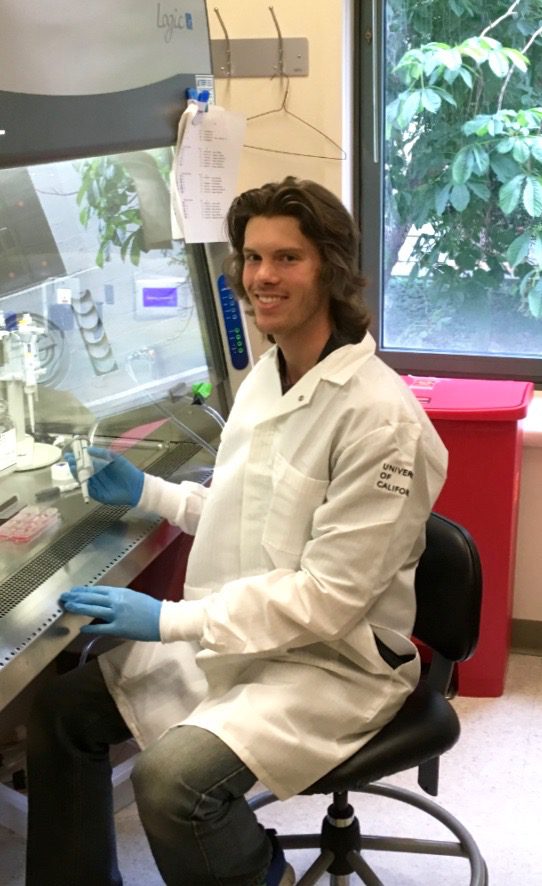
An essential component to better understanding cellular electrical signaling is to address how the resting membrane potential in neurons is established and modified to affect excitability. Two-pore domain potassium (K2P) ion channels are directly involved in this process and comprise a unique protein family that is essential for the maintenance of this resting membrane potential. The TWIK-related spinal cord K+ channel (TRESK) is considered a major contributor to background K+ currents and is expressed abundantly in DRG neurons. This K2P channel is thought to be involved in pain sensation and […]
Griffin Rodgers

P-N junctions are the basis of most modern electronicsthe foundation for the diodes and transistors that make up our computers. Current research in low dimensional transition metal dichalcogenide (TMD) heterostructures aims to make these junctions smaller. TMD p-n junctions are made of atomically thin, stacked TMD layers and have been hailed for their novel properties, diverse applications, and potential to revolutionize electronics. My research project will provide improved understanding of the performance, functionality, and limits of atomically thin, stacked TMD p-n junctions. I will use Kelvin probe force microscopy (KPFM)a […]